

Face Lift
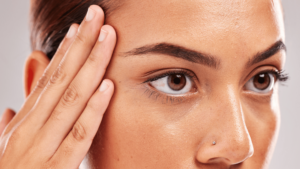
A face-lift or face lift surgery is a surgery performed to reduce facial wrinkles and other signs of aging in order to improve the overall appearance of the entire face. This surgery is performed to reverse the effects of aging caused by time, stress and exposure to environmental factors. With this surgery, we move the tissues under the facial skin to their former positions to create a more aesthetically pleasing contour and revitalize the facial structure. Then, the fat and excess skin that cause an old, tired appearance are removed from the body.
An experienced plastic surgeon will perform this surgery with an artistic eye and extraordinary care so that patients can achieve beautiful, natural-looking results. In addition to the traditional full face-lift, there are many minor procedures used for specific areas of the face. In many cases, it may be necessary to use advanced, minimally invasive techniques to minimize discomfort, recovery time and incision scarring.
For most patients, facelift surgery is an investment that provides a fresher, more youthful appearance for years to come. A long-term follow-up study published in 2014 found that after an average of 12.6 years of follow-up, 68.5 percent of patients who had facelift surgery rated their current degree of improvement as very good or beyond expectations, and the same percentage of patients reported that their postoperative facial rejuvenation lasted at least 10 years.
Who Can Have a Face Lift?
Facelift surgery is an effective way to rejuvenate the facial appearance and boost self-confidence, but it is not for everyone. Some patients may achieve their cosmetic goals with a noninvasive procedure such as a chemical peel or microdermabrasion. Others may be happier with their results if they combine facelift surgery with other procedures such as a neck lift or brow lift. Patients who understand the possibilities and limitations of facelift surgery are more likely to be satisfied with their results.
Facelift surgery is an effective way to rejuvenate the facial appearance and boost self-confidence, but it is not for everyone. Some patients may achieve their cosmetic goals with a noninvasive procedure such as a chemical peel or microdermabrasion. Others may be happier with their results if they combine facelift surgery with other procedures such as a neck lift or brow lift. Patients who understand the possibilities and limitations of facelift surgery are more likely to be satisfied with their results.
actors that can affect whether a person is a good candidate for facelift surgery include:
Skin Flexibility: A good face lift candidate is a patient with skin that maintains its natural softness and flexibility. This is important because during surgery the surgeon stretches a hundred feet to reduce the appearance of wrinkles. Strong bone structure: An ideal facelift candidate should have adequate bone structure to provide support and achieve satisfactory results. Patients with less specific features may benefit from facelift alternative surgery or face implants. Realistic expectations: The candidate who wishes to undergo this surgery must understand the boundaries of facial plastic surgery procedures. Consultation with a qualified plastic surgeon will help the patient get the necessary information to make the right decision about the operation. Good health condition: A good facelift candidate should usually be healthy and report any medical condition that is available to the surgeon. Face lift is an invasive procedure requiring a serious recovery process, so it is very important that the patient is physically ready for surgery. Loose skin on the face or neck: Facelift wants to remove the candidate typically from the face or neck of excess skin, tighten the skin and reduce the appearance of wrinkles. The surgeon stretches loosely around the skin during the procedure.
Is Facelift Surgery Age Restricted? Age is not the most important factor in determining candidacy for facelift surgery; skin elasticity and general health status are far more important criteria than age. The majority of patients undergoing facelift surgery have ages ranging from 40 to 70 years. However, the surgeon can benefit from people over 70 years of age. Your plastic surgeon evaluates the skin texture and condition of each patient to make individual judgments and recommendations about fitness for facelift surgery.
MİNİ YÜZ GERME
Mini-facelift surgery is an effective method for removing wrinkles and wrinkles in the lower third from the periphery of the ear using smaller incisions. The skin tissue in the cheek area is lifted and the underlying sagging tissue is removed by special stitches and finally the excess skin is removed and the procedure is completed. Thus, the sagging in the lower face area is corrected and the natural appearance of the jaw is achieved.
Mini facelift surgery can be done for both men and women since it addresses the most basic signs of aging.
Benefits
Minimal Trace – Sections are easily hidden in your natural facial lines and hair lines.
Minimal Side Effects – Mini face lift results in less swelling, redness and sensitivity compared to a more extensive face lift operation.
Self-confidence – Trusting yourself about your appearance can make a serious difference in your life quality.
Anesthesia – Mini face lift can be done with local anesthesia so that the patient remains conscious throughout the procedure without feeling pain. The procedure takes much less time than full facelift surgery.
It is important to know that despite the “mini” distinction of the mini facial germ, it gives significant results.
Postoperative Period
Some patients may return to normal life a week after surgery, but in some patients swelling and other side effects may take several weeks to heal.
Mini face lift surgery is done with local anesthesia as an outpatient procedure and there is no need to stay in hospital and patients can return home the same day.
Patients are called for control one day after the operation. Follow-up appointments are then planned to monitor healing. After about a week, your stitches are removed.
Patients experience side effects such as bruising, swelling, redness, tenderness, loss of temporal sensation and discomfort during the weeks following mini aesthetic surgery intervention. The feeling of tension due to the repositioning of the percentages may take several weeks.
You will have to avoid any kind of strenuous activity that could significantly increase your heart rate during the week following surgery.